
Understanding Blood Pressure in Children
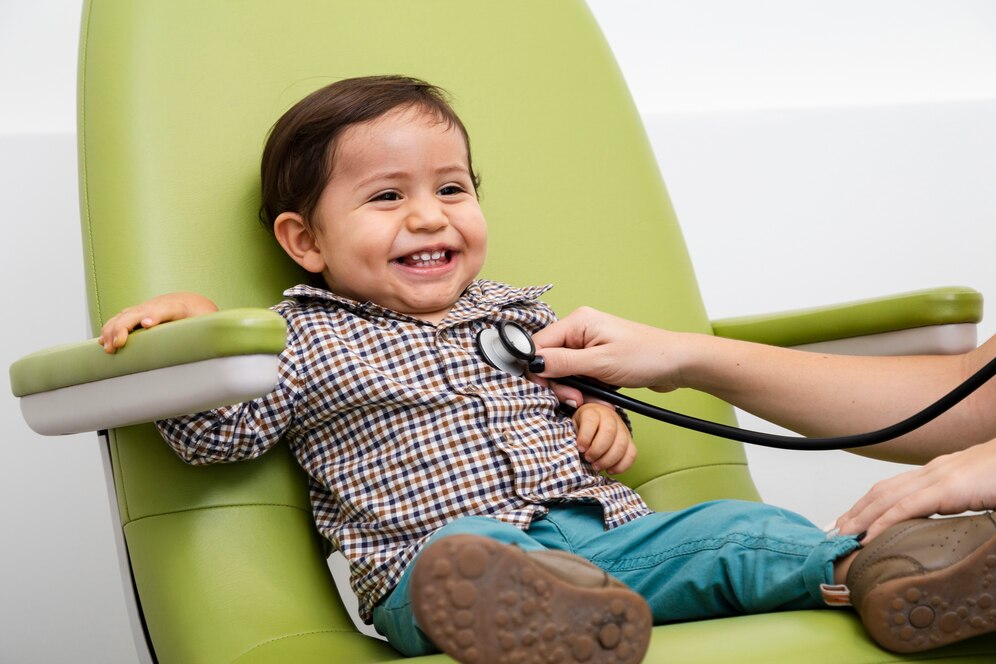
While high blood pressure is often associated with adults, it can also affect children and adolescents. Understanding normal blood pressure ranges for different age groups and recognizing potential issues is important for parents. Dr. Pramila Srivastava provides insights into blood pressure in children and when medical attention is necessary.
What is Blood Pressure?
Blood pressure is the force of blood pushing against the walls of the arteries as the heart pumps blood. It is measured with two numbers: systolic (the pressure when the heart beats) and diastolic (the pressure when the heart rests between beats), expressed as systolic/diastolic (e.g., 120/80 mmHg).
Normal Blood Pressure Ranges in Children
Normal blood pressure in children varies significantly based on age, sex, and height. Therefore, there isn't one single "normal" number. Pediatricians use percentile charts to determine if a child's blood pressure is within the normal range for their specific demographics. Generally:
- Blood pressure below the 90th percentile is considered normal.
- Blood pressure between the 90th and 95th percentile is considered pre-hypertension.
- Blood pressure at or above the 95th percentile is considered hypertension (high blood pressure).
It's crucial for a healthcare professional to interpret a child's blood pressure reading in the context of their age, sex, and height.
Causes of High Blood Pressure (Hypertension) in Children
High blood pressure in children can be primary (no identifiable underlying cause) or secondary (caused by another medical condition). Secondary hypertension is more common in younger children and can be related to:
- Kidney disease
- Heart defects present at birth (congenital heart disease)
- Narrowing of the aorta (coarctation of the aorta)
- Hormonal disorders
- Certain medications (e.g., steroids)
- Obesity and overweight
- Sleep apnea
- Family history of hypertension
Primary hypertension is more common in adolescents and is often associated with lifestyle factors like obesity, poor diet, and lack of physical activity.
Symptoms of High Blood Pressure in Children
Often, children with high blood pressure don't have any noticeable symptoms. This is why regular blood pressure checks during doctor visits are important. However, some children may experience:
- Headaches
- Fatigue
- Blurred vision
- Nosebleeds
- Irritability
- In severe cases, seizures or chest pain
Causes of Low Blood Pressure (Hypotension) in Children
Low blood pressure in children is less common than high blood pressure but can occur due to:
- Dehydration (due to vomiting, diarrhoea, or not drinking enough fluids)
- Infections
- Heart problems
- Certain medications
- Severe allergic reactions (anaphylaxis)
- Blood loss
- Nutritional deficiencies
Symptoms of Low Blood Pressure in Children
Symptoms of low blood pressure can include:
- Dizziness or lightheadedness
- Fainting (syncope)
- Fatigue
- Blurred vision
- Nausea
- Pale, cool, or clammy skin
- Rapid, shallow breathing
When to Seek Medical Help for Your Child's Blood Pressure Concerns
It's important to consult Dr. Pramila Srivastava or another healthcare professional if you notice any of the symptoms mentioned above or if your child has risk factors for high or low blood pressure. Regular check-ups are crucial for monitoring blood pressure as part of your child's overall health.
- Seek immediate medical attention if your child experiences severe symptoms like chest pain, seizures, or difficulty breathing.
- Report any frequent episodes of dizziness, fainting, or persistent headaches to your pediatrician.
Management of Blood Pressure Issues in Children
Management depends on the cause and severity of the blood pressure issue. It may involve:
- Lifestyle modifications (healthy diet, regular exercise, weight management)
- Treating underlying medical conditions
- Medications (if necessary, prescribed and monitored by a physician)
- Ensuring adequate hydration for low blood pressure
Expert Pediatric Care at Dr. Pramila Srivastava's Clinic
Dr. Pramila Srivastava offers comprehensive evaluation and management for blood pressure concerns in children and adolescents. She can assess your child's blood pressure, identify potential underlying causes, and develop an appropriate management plan to ensure their long-term health.
Clinic Details:
Dr. Pramila Srivastava's Clinic
A-454, A Block, Block A, Defence Colony,
New Delhi, Delhi 110024
Phone: 093138 69092
Conclusion
Monitoring blood pressure is an important part of your child's health care. Understanding the basics of blood pressure in children, recognizing potential symptoms, and seeking timely medical advice from a pediatrician like Dr. Pramila Srivastava can help ensure your child's well-being.