
Understanding Urinary Tract Infections (UTIs) in Children
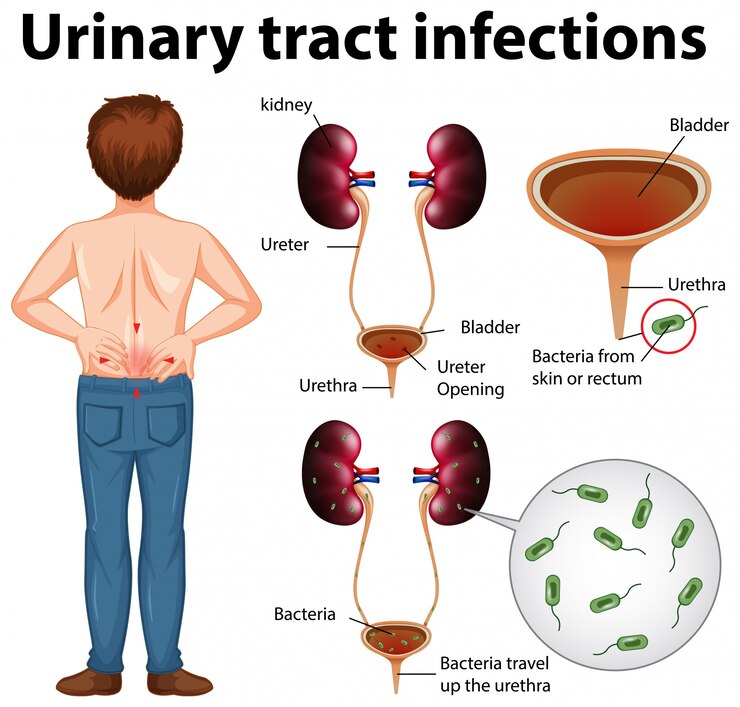
Urinary tract infections (UTIs) are common in children and occur when bacteria enter the urinary tract, which includes the bladder, urethra, ureters, and kidneys. Recognizing the symptoms early and seeking appropriate treatment is crucial to prevent complications. Dr. Pramila Srivastava provides important information for parents about UTIs in children.
What Causes Urinary Tract Infections (UTIs) in Children?
UTIs are usually caused by bacteria, most commonly Escherichia coli (E. coli), which normally live in the bowel. These bacteria can enter the urinary tract through the urethra. Factors that can increase the risk of UTIs in children include:
- Poor hygiene practices (e.g., wiping back to front after using the toilet)
- Constipation
- Infrequent urination or holding urine for too long
- Vesicoureteral reflux (VUR), a condition where urine flows backward from the bladder to the ureters and sometimes to the kidneys
- Anatomical abnormalities of the urinary tract
- Being uncircumcised (in boys, especially in the first year of life)
- Catheterization of the urinary tract
Common Symptoms of UTIs in Children
Symptoms of UTIs can vary depending on the child's age. Younger children may have more non-specific symptoms, making diagnosis challenging. Common signs include:
- In Infants and Toddlers:
- Fever
- Irritability
- Poor feeding
- Vomiting
- Diarrhea
- Lethargy
- Jaundice (yellowing of the skin and eyes)
- Strong-smelling urine
- In Older Children:
- Pain or burning sensation during urination (dysuria)
- Frequent urination
- Urgent need to urinate
- Passing small amounts of urine
- Cloudy or strong-smelling urine
- Blood in the urine (hematuria)
- Pain in the lower abdomen or back
- Fever
- Loss of bladder control (new onset incontinence)
Diagnosis of UTIs in Children
Diagnosis of a UTI involves a urine test to check for the presence of bacteria and white blood cells. The method of collecting the urine sample depends on the child's age and ability to cooperate:
- Clean-catch midstream urine sample: Preferred method for older, toilet-trained children.
- Urine collection bag: Used for non-toilet-trained infants and young children.
- Catheterized urine specimen: May be necessary if a clean-catch sample cannot be obtained.
- In some cases, further tests like an ultrasound of the kidneys and bladder or a voiding cystourethrogram (VCUG) may be recommended to evaluate the urinary tract structure and function, especially after recurrent UTIs.
Treatment of UTIs in Children
UTIs in children are typically treated with antibiotics prescribed by a doctor. The type and duration of antibiotics depend on the child's age, the severity of the infection, and the bacteria identified in the urine culture. It's crucial to:
- Administer the full course of antibiotics as prescribed, even if your child starts feeling better.
- Ensure your child drinks plenty of fluids to help flush bacteria from the urinary tract.
- Over-the-counter pain relievers like acetaminophen or ibuprofen can help manage pain and fever.
- Avoid giving cranberry juice to young children as its effectiveness in treating UTIs is not well-established in this age group.
When to Seek Medical Help for Your Child's Suspected UTI
Consult Dr. Pramila Srivastava or another healthcare professional if your child exhibits any symptoms of a UTI, especially:
- Fever, especially in infants and young children.
- Pain or burning during urination.
- Frequent or urgent urination.
- Cloudy or strong-smelling urine.
- Blood in the urine.
- Pain in the lower abdomen or back.
- Changes in urination patterns (new incontinence).
Early diagnosis and treatment can help prevent more serious kidney infections.
Preventing UTIs in Children
Several measures can help reduce the risk of UTIs in children:
- Encourage good hygiene practices, teaching girls to wipe from front to back after using the toilet.
- Ensure children drink plenty of fluids throughout the day.
- Avoid holding urine for long periods; encourage regular trips to the toilet.
- Treat constipation promptly.
- Avoid bubble baths and harsh soaps that can irritate the urethra.
- Ensure complete emptying of the bladder during urination.
- For children with recurrent UTIs, discuss preventive strategies with your pediatrician, which may include low-dose antibiotics in some cases.
Expert Pediatric Care at Dr. Pramila Srivastava's Clinic
Dr. Pramila Srivastava provides comprehensive evaluation, diagnosis, and management for urinary tract infections in children. She can help identify the underlying cause of the infection and develop an appropriate treatment and prevention plan to ensure your child's urinary health.
Clinic Details:
Dr. Pramila Srivastava's Clinic
A-454, A Block, Block A, Defence Colony,
New Delhi, Delhi 110024
Phone: 093138 69092
Conclusion
Urinary tract infections are a common concern in childhood, but with prompt recognition of symptoms and appropriate medical care, they can be effectively treated. Understanding the causes and implementing preventive measures can help reduce the occurrence of UTIs in children. If you have any concerns about your child's urinary health, please consult Dr. Pramila Srivastava for expert advice and care.