
Common Childhood Infections
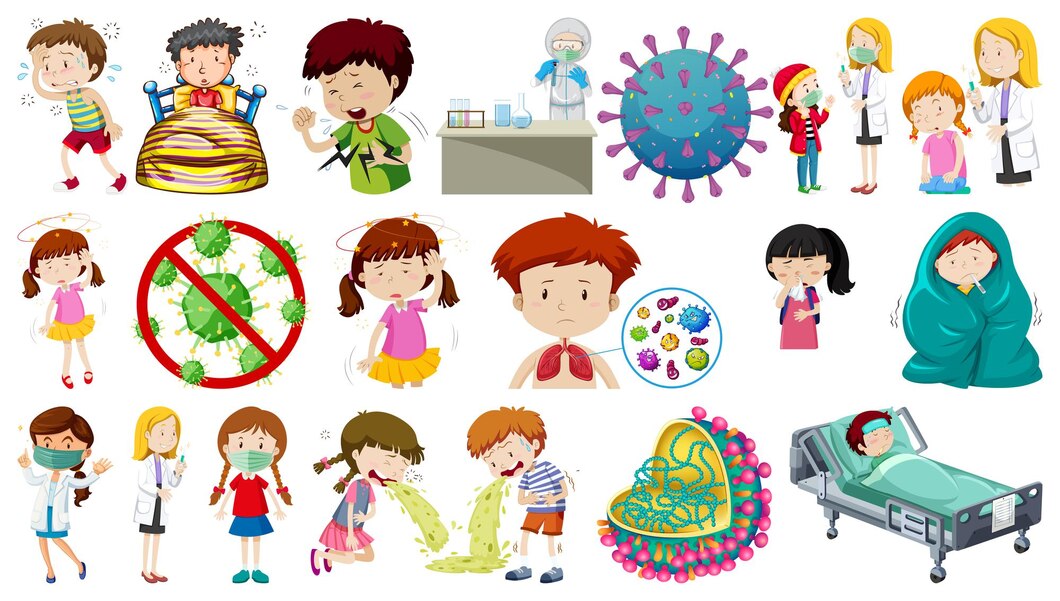
Childhood is a critical phase for developing the immune system, making children particularly susceptible to infections. While most infections are manageable with proper care and treatment, understanding the most common childhood infections, their symptoms, prevention, and treatment can help parents and caregivers protect children's health and well-being.
Respiratory Infections
a. Common Cold: The common cold is a viral infection of the upper respiratory tract and is one of the most frequent infections in children.
- Symptoms: Runny nose, cough, sneezing, mild fever, sore throat, and congestion.
- Causes: The rhinovirus is the most common cause.
- Prevention: Encourage hand washing, teach children to avoid touching their face, and limit exposure to sick individuals.
- Treatment: Rest, fluids, and over-the-counter medications to alleviate symptoms. Most colds resolve on their own within a week.
b. Influenza (Flu): Influenza is more severe than the common cold and can lead to complications such as pneumonia.
- Symptoms: High fever, chills, body aches, fatigue, cough, and sore throat.
- Causes: Influenza virus.
- Prevention: Annual flu vaccines are the best form of prevention. Also, practice good hygiene and avoid crowded places during flu season.
- Treatment: Antiviral medications (if prescribed early), rest, and hydration. Flu symptoms usually improve in a few days.
c. Respiratory Syncytial Virus (RSV): RSV is a common virus that infects the lungs and airways, particularly in young children and infants.
- Symptoms: Runny nose, coughing, wheezing, and in severe cases, difficulty breathing.
- Causes: Respiratory Syncytial Virus.
- Prevention: Frequent hand washing, keeping sick children home, and avoiding exposure to infected individuals.
- Treatment: Supportive care such as oxygen therapy for severe cases, hydration, and keeping airways clear. RSV usually resolves in 1 to 2 weeks.
Gastrointestinal Infections
a. Rotavirus: Rotavirus is the leading cause of severe diarrhea in infants and young children.
- Symptoms: Watery diarrhea, vomiting, fever, and abdominal pain.
- Causes: Rotavirus, transmitted through contaminated food, water, or surfaces.
- Prevention: Vaccination is highly effective in preventing rotavirus infections. Good hygiene practices are also important.
- Treatment: Hydration is crucial to prevent dehydration. Oral rehydration solutions or intravenous fluids may be needed in severe cases.
b. Norovirus: Norovirus is another common cause of viral gastroenteritis, or stomach flu, in children.
- Symptoms: Vomiting, diarrhea, stomach cramps, and fever.
- Causes: Norovirus, which spreads through contaminated food, water, or surfaces.
- Prevention: Wash hands regularly, disinfect surfaces, and avoid consuming contaminated food or water.
- Treatment: The infection usually resolves within 1 to 3 days. Fluid replacement is essential to prevent dehydration
Skin Infections
a. Impetigo: Impetigo is a highly contagious bacterial skin infection common in young children.
- Symptoms: Red sores or blisters, typically around the mouth and nose, that burst and form a honey-colored crust.
- Causes: Staphylococcus aureus or Streptococcus pyogenes bacteria.
- Prevention: Good hygiene, keeping wounds clean, and avoiding contact with infected individuals.
- Treatment: Antibiotic ointments or oral antibiotics to clear the infection.
b. Hand, Foot, and Mouth Disease (HFMD): HFMD is a viral infection that affects children under five, causing rashes and sores.
- Symptoms: Fever, painful sores in the mouth, and rashes on the hands and feet.
- Causes: Coxsackievirus or enterovirus.
- Prevention: Hand washing, disinfecting surfaces, and avoiding close contact with infected individuals.
- Treatment: There is no specific treatment, but over-the-counter pain relievers and mouth rinses can alleviate symptoms.
Ear Infections
a. Otitis Media (Middle Ear Infection): Ear infections are common in infants and young children and often occur after a cold or upper respiratory infection.
- Symptoms: Ear pain, fever, irritability, difficulty hearing, and fluid drainage from the ear.
- Causes: Bacterial or viral infection, often following a cold.
- Prevention: Breastfeeding, avoiding secondhand smoke, and proper hand hygiene can reduce the risk of ear infections.
- Treatment: Antibiotics may be prescribed for bacterial infections, while viral infections typically resolve on their own. Pain relief medications are also used.
Childhood Exanthems (Rash-Related Diseases)
a. Chickenpox: Chickenpox is a highly contagious viral infection characterized by an itchy rash.
- Symptoms: Fever, fatigue, and an itchy rash that progresses from red spots to fluid-filled blisters.
- Causes: Varicella-zoster virus.
- Prevention: Vaccination is the best protection against chickenpox.
- Treatment: Calamine lotion and antihistamines can help relieve itching. Most cases resolve in about a week.
b. Measles: Measles is a serious viral infection that can lead to severe complications, such as pneumonia and encephalitis.
- Symptoms: High fever, cough, runny nose, red eyes, and a rash that spreads from the face to the body.
- Causes: Measles virus.
- Prevention: Measles-mumps-rubella (MMR) vaccination is highly effective in preventing measles.
- Treatment: Supportive care, including hydration, fever reducers, and vitamin A supplements, can reduce the severity of the illness.
c. Scarlet Fever: Scarlet fever is a bacterial infection that typically follows strep throat.
- Symptoms: High fever, sore throat, red rash with a sandpaper-like texture, and a "strawberry" tongue.
- Causes: Group A Streptococcus bacteria.
- Prevention: Practice good hygiene and seek timely treatment for strep throat.
- Treatment: Antibiotics are necessary to clear the infection and prevent complications.
Other Common Infections
a. Conjunctivitis (Pink Eye): Conjunctivitis is the inflammation of the conjunctiva, the tissue lining the eyelids and covering the white part of the eye.
- Symptoms: Redness, itching, discharge, and tearing.
- Causes: Bacterial or viral infections, allergies, or irritants.
- Prevention: Good hygiene, including regular hand washing and avoiding touching the face and eyes.
- Treatment: Depending on the cause, treatment may include antibiotic eye drops or simply managing symptoms if it's viral.
b. Strep Throat: Strep throat is a bacterial infection that primarily affects the throat and tonsils.
- Symptoms: Severe sore throat, fever, swollen tonsils, and white patches in the throat.
- Causes: Group A Streptococcus bacteria.
- Prevention: Avoiding close contact with infected individuals and practicing good hygiene.
- Treatment: Antibiotics are prescribed to treat the infection and prevent complications.
Conclusion
Common childhood infections are a natural part of growing up, as children's immune systems are still developing. However, knowing the signs and symptoms of these infections, understanding preventive measures like vaccines and hygiene, and seeking appropriate treatment can help reduce their impact. Early detection and timely medical intervention ensure a quicker recovery and minimize the risk of complications.